Menu
Same-Day Service Available!
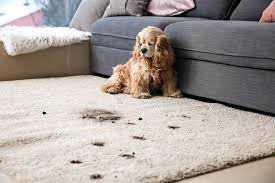
Mud has a way of looking simple until it lands on a rug you actually care about. At first, it may seem like a quick wipe-and-done problem. Then the mess smears, the color spreads, and suddenly the dirty spot looks twice as big as it did a minute ago. This is one of the most common reasons homeowners end up frustrated with rugs. Mud feels harmless compared to bigger spills, but it can become a much uglier stain if it is handled the wrong way. If you are dealing with muddy footprints, pet paws, or a splash of dirt from outside, the good news is that you can clean it up without making the problem worse.
Area rug cleaning works best when you slow down and use the right steps in the right order. The biggest mistake people make is trying to attack wet mud immediately with a towel, brush, or cleaner. While that sounds helpful, it often spreads the mess deeper into the fibers and makes the stained area much larger. A better approach is to let the mud dry first, remove as much loose soil as possible, and then treat only what remains. This guide walks you through exactly how to do that, why mud spreads so easily, and when a deeper professional rug cleaning makes more sense than another round of home scrubbing.
For homeowners in Cordova, Tennessee, muddy rugs are a real part of daily life. Shoes, kids, pets, and rainy days can turn a clean area rug into a problem fast. A rug near the entryway, living room, mudroom, or back door usually sees the worst of it. Once mud settles in, the room can feel messy even if everything else is in order. The goal of area rug cleaning is not just to remove the stain. It is to get the rug back to a fresher, healthier state without damaging the fibers or leaving behind sticky residue that pulls in even more dirt later.
Mud is tricky because it is not just one thing. It is a mix of water, dirt, fine grit, organic material, and whatever else came in from outside. When it lands on a rug, the liquid part helps it sink in quickly, while the solid part starts clinging to fibers almost immediately. If you rub or scrub while it is still wet, you push that dirty slurry farther across the surface and deeper into the pile.
This is why a small muddy footprint can turn into a wide brown smudge in seconds. The more pressure you use, the more the stain spreads. The same problem happens when people soak the rug with too much cleaner or water too early. Instead of lifting the mud out, they create a muddy solution that travels into more of the rug.
Some rugs are also more vulnerable than others. Thick pile rugs, wool rugs, and decorative area rugs with softer fibers can trap mud deep below the surface. Flatweave rugs may not trap it as deeply, but they still spread easily if wiped the wrong way. Either way, the safest first move is patience, not speed.
The key thing to remember is this: wet mud wants to move. Dry mud is much easier to remove cleanly. That one difference shapes the entire process.
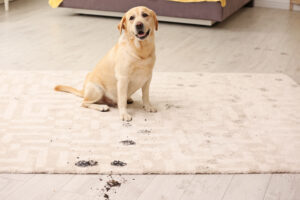
Before getting into the step-by-step area rug cleaning process, it helps to know what not to do. Many rug stains get worse because of a few very common mistakes.
The first mistake is rubbing right away. It feels natural to grab a paper towel and start scrubbing the muddy area, but this usually spreads the stain and grinds dirt into the fibers. The second mistake is over-wetting the rug. Too much water can push the dirt deeper, leave the rug damp for too long, and create a larger ring around the stain.
Another common mistake is using strong cleaning products too soon. Harsh sprays, soaps, or stain removers can leave behind residue, affect the rug’s color, or make the rug attract dirt faster after it dries. This is one reason many homeowners end up looking for professional carpet cleaning or professional area rug cleaning after trying too many home fixes first.
Using the wrong tool is another issue. Stiff brushes can rough up the fibers, especially on delicate rugs. Heat is also risky. A hot dryer or very hot water can set certain soils or damage rug materials. Even vacuuming too early, before the mud is fully dry, can smear the mess if the surface is still damp.
If you avoid those mistakes, you already have a much better chance of getting good results at home.
This is the hardest step for most people because it feels like doing nothing. Still, it is one of the most important parts of area rug cleaning when mud is involved. Leave the mud alone and let it dry all the way before you try to remove it. Wet mud spreads. Dry mud flakes and lifts much more easily.
If possible, keep people and pets away from the area while it dries. Stepping on it again presses the dirt deeper and widens the mess. If the rug is in a walkway, block the area off or move the rug carefully if it is small enough to handle without disturbing the mud.
Dry time depends on how much mud is there and how damp the room feels, but patience pays off here. Once the muddy spot is dry and crusty, you can remove much more of it without smearing it across the rug.
Once the mud is fully dry, start removing the loose material carefully. Use a spoon, dull edge, or your fingers to lift away the larger crusted pieces. Work gently so you do not grind them back into the rug.
This step is about reducing the amount of dirt before you vacuum or blot anything else. Removing the top layer first helps prevent fine dirt from spreading around as you continue. If you rush this part, you can still end up pushing dry debris into nearby fibers.
For delicate rugs, be especially light-handed. Area rug cleaning should always match the rug material. If the rug is fragile, decorative, or expensive, stop here if you feel unsure and consider professional rug cleaning instead.
After lifting away the dry clumps, vacuum the area slowly and carefully. Use the hose attachment if possible, especially if the rug has a softer pile or more delicate fibers. A hose gives you more control than a beater bar and helps remove dry grit without being too rough.
Vacuuming at this stage removes the loose dirt that is still sitting around the stained fibers. This is often the step that makes the biggest visual difference right away. A muddy patch that looked terrible can shrink down to a much smaller stain once the dry debris is gone.
If your vacuum has strong suction, avoid aggressive passes over fragile edges or fringe. For sturdier rugs, several gentle passes in different directions can help pull more dirt out.
At this point, you are no longer dealing with wet mud. You are treating what is left after the bulk of the dirt is gone. Lightly dampen a clean white cloth with cool water and blot the stained area. Do not soak it. Do not scrub it.
Blotting works because it lifts remaining discoloration upward instead of pushing it outward. Use light pressure, and move to a clean section of the cloth as it picks up dirt. If the stain is small, this may be enough on its own.
A white cloth matters because colored towels can transfer dye onto the rug. Cool water is safer than hot water for most rugs, and using only a small amount helps you stay in control.
If the stain remains after blotting with water, mix a very mild cleaning solution. A small amount of gentle dish soap in cool water usually works better than a heavy cleaner for basic mud residue. Dip a clean cloth in the solution and blot again.
This is where many people overdo it. You do not need a lot of soap, and more product does not mean faster results. Too much cleaner can leave residue, which can attract dirt later and make the rug feel stiff or sticky. Safe, simple area rug cleaning is usually more effective than throwing multiple products at the problem.
Blot from the outside edge of the stain inward. This helps keep the stain from spreading wider. Keep switching to clean parts of the cloth as the dirt lifts.
Once the stain begins to lift, go back over the area with a separate clean cloth dampened only with cool water. This helps remove leftover soap. Even mild cleaning solution should not stay in the rug if you can help it.
Blot carefully and avoid flooding the area. The goal is to rinse lightly, not soak the rug. If you skip this step, the area may dry with a slightly sticky feel or collect dirt faster later.
Drying matters just as much as cleaning. Press a dry towel into the cleaned area to absorb excess moisture. Then let the rug air dry fully. If possible, use a fan nearby to speed things up.
Avoid direct high heat. You do not need a hair dryer on high or anything extreme. Good airflow is usually enough. If the rug is small and washable according to the care label, follow the manufacturer guidance carefully. If it is not, stay with air drying.
Once the area is fully dry, vacuum lightly again to help restore the texture of the fibers.
Area rug cleaning is never truly one-size-fits-all. Mud may be the same kind of mess, but the rug material changes how safely you can clean it. A synthetic entry rug can usually handle more direct cleaning than a delicate wool or hand-finished rug.
Wool rugs need extra care because they can hold moisture longer and may react badly to aggressive scrubbing or too much soap. Silk-blend rugs are even more sensitive and often should not be treated with DIY stain methods at all. Cotton rugs may clean up well, but they can also absorb water quickly and leave rings if over-wet.
Flatweaves behave differently than plush rugs. Low-pile rugs often release dry dirt more easily, while deeper pile rugs hide grit farther down. Fringed rugs also need gentle handling because the fringe can discolor or tangle if scrubbed.
If you are ever unsure what the rug is made of, it is smart to pause before using a cleaning product. Professional area rug cleaning or oriental rug cleaning may be the safer choice if the rug is valuable, delicate, handmade, or sentimental.
Mud from shoes is one thing. Mud from kids and pets can be a whole different situation. Pet paws often bring in wet dirt mixed with oils and outdoor debris, while kids sometimes track mud farther than adults because they keep moving before anyone notices.
When pets are involved, it helps to check whether the muddy area also has pet odor removal concerns. A muddy paw print near an entry rug may just be dirt, but a repeated pet area may also hold onto odor or additional staining. The same goes for children’s muddy shoes mixed with spilled drinks or snack crumbs.
The cleaning steps stay mostly the same: let it dry, remove the crusted dirt, vacuum, blot, and treat lightly if needed. What changes is the amount of mess and how far it spread before you caught it. Homes with pets and children often benefit from more regular rug cleaning because repeated small messes add up faster.
This is also where preventive habits help. A towel near the door, a washable entry mat, and quick paw wiping can save a lot of future cleaning.
DIY area rug cleaning can work well for fresh, simple mud messes when the rug is sturdy and the stain is treated correctly. Still, there are limits.
If the mud stain is large, has been stepped into the rug repeatedly, or keeps leaving a dark ring even after cleaning, professional rug cleaning may be the better option. The same goes for rugs that still smell musty, feel stiff, or show discoloration after home treatment. In those cases, it is easy to make the problem worse by repeating the same steps too many times.
Professional area rug cleaning is also worth considering for expensive rugs, oriental rug cleaning needs, homes with repeated traffic stains, and situations where muddy dirt is mixed with pet stain and odor removal concerns. A trained team can clean more deeply, remove trapped debris more effectively, and help protect the rug from damage caused by over-wetting or harsh scrubbing.
For families in Cordova, Tennessee, this often comes down to one practical question: is the rug worth the risk of more trial and error? If the answer is yes, getting professional help is often the smarter move.
The easiest mud stain to clean is the one that never lands on the rug. Prevention may sound simple, but it helps more than people expect.
Start at the entrances. Place good-quality mats outside and inside each main door. The outdoor mat knocks off the first layer of dirt, while the indoor mat catches what remains. If you have pets, keep a towel by the door for paws. If you have kids, create a habit of shoes off at the entrance instead of halfway through the house.
Runners and washable rugs are helpful in the highest-risk areas. Entryways, back doors, and mudroom paths usually take the most abuse. Using a rug that is easier to clean in those spots can protect more decorative area rugs deeper in the home.
Helpful prevention habits include:
These steps are simple, but together they reduce how often you need heavy stain removal.
Sometimes what looks like a mud stain is not only mud. A dark brown spot may also include grass, food, oils, pet debris, or tracked-in material from a driveway or yard. In these cases, the rug may need more than gentle spot cleaning.
You may notice this if the area still looks greasy, smells strange, or leaves behind a ring after drying. It may also happen when the stain keeps reappearing after you thought it was gone. If the rug has multiple muddy spots mixed with general wear, it may be ready for deeper professional carpet cleaning, rug cleaning, or even upholstery cleaning nearby if the same mess reached furniture.
This is one reason homeowners sometimes start with one muddy spot and later realize the entire room could use a refresh. The rug was just the first thing they noticed.
Mud is one issue, but routine care matters too. Most area rugs benefit from professional cleaning every 12 to 18 months. Homes with children, pets, high traffic, or repeated spills often do better with more frequent area rug cleaning.
Entry rugs and living room rugs usually need attention sooner than formal or lightly used rugs. If a rug sees daily traffic, pet use, or frequent food and drink activity, annual cleaning is often a smart baseline.
Regular professional rug cleaning helps remove deep dirt before it changes the look and feel of the rug too much. It can also support a healthier indoor environment by removing the buildup that home vacuuming misses.
Usually, no. Wet mud is much more likely to smear and spread deeper into the rug. In most cases, the best first step is to let the mud dry fully before trying to remove it. Once it dries, you can lift away the crusted material and vacuum much more of the dirt out without pushing it across the rug. The only exception is if there is a large puddle of muddy liquid sitting on top. In that case, you can gently blot excess moisture without scrubbing, then let the rest dry before continuing.
For many rugs, cool water and a tiny amount of gentle dish soap are enough once the dry mud has been removed. The key is to use very little solution and blot carefully instead of scrubbing. Strong products are not automatically better. In fact, harsh cleaners can damage rug fibers or leave behind residue that attracts dirt later. If the rug is delicate, valuable, or you are unsure of the material, professional area rug cleaning may be safer than home experimentation.
Yes, and you usually should after lifting off the larger dried pieces first. Vacuuming is one of the best ways to remove loose dirt without spreading it further. A hose attachment is often the safest choice, especially for softer or more delicate rugs. If the mud is not fully dry yet, wait a little longer. Vacuuming damp mud can smear it and make the stain worse instead of better.
This often happens because some fine soil is still trapped in the fibers, or because too much cleaner or water was used during the cleanup. A rug may also develop a ring if the stain was over-wet. If the muddy spot still looks dull, stiff, or darker after drying, it may need deeper professional rug cleaning. Repeating the same home method too many times can sometimes make the area look worse rather than better.
Yes, it can be. Mud from pet paws may come mixed with oils, outdoor debris, or odor issues. If the same area also has pet stain and odor removal concerns, the rug may need more than a standard mud cleanup. In those cases, the visible dirt may only be part of the problem. Letting the mud dry first still helps, but you may also need deeper treatment if the area smells or keeps drawing dirt back in.
Mud stains can look frustrating, but they do not have to ruin the rug or spread through the room if you handle them the right way. The biggest shift is simple: do not rush in and scrub. Let the mud dry, lift away the loose dirt, vacuum carefully, and then treat only what is left. That slower approach gives you a much better chance of real results without turning one muddy spot into a much larger stain.
If your rug in Cordova, Tennessee needs more than a basic home cleanup, or if muddy buildup is only part of a bigger issue, professional area rug cleaning can help restore both freshness and comfort. Whether you are dealing with entryway dirt, pet traffic, or a rug that just never seems to stay clean for long, choosing the right next step can save time and protect the rug you already have.
A muddy rug can make the whole room feel less clean, even when everything else is in place. If you have tried the basic steps and the stain still lingers, or if you would rather skip the risk of spreading it further, now may be the perfect time to get help. Safe-Dry® offers area rug cleaning designed for real homes, real messes, and real family life.
From entry rugs that see constant traffic to favorite living room pieces that deserve a deeper refresh, professional cleaning can make the room feel fresher, healthier, and easier to enjoy again. If you are ready to schedule service or request a free carpet cleaning quote for your home in Cordova, Tennessee, connecting with our team that understands safe, practical cleaning can make all the difference.